Unosquare’s Humble Beginnings Pay Off in Next-Gen Succession
How Mike Barrett went from fired, broke, and $30,000 in debt in 2009 to building a 1,200-person global company — and handing it to a next generation that earned every inch of it.
A Long Way From Where He Started
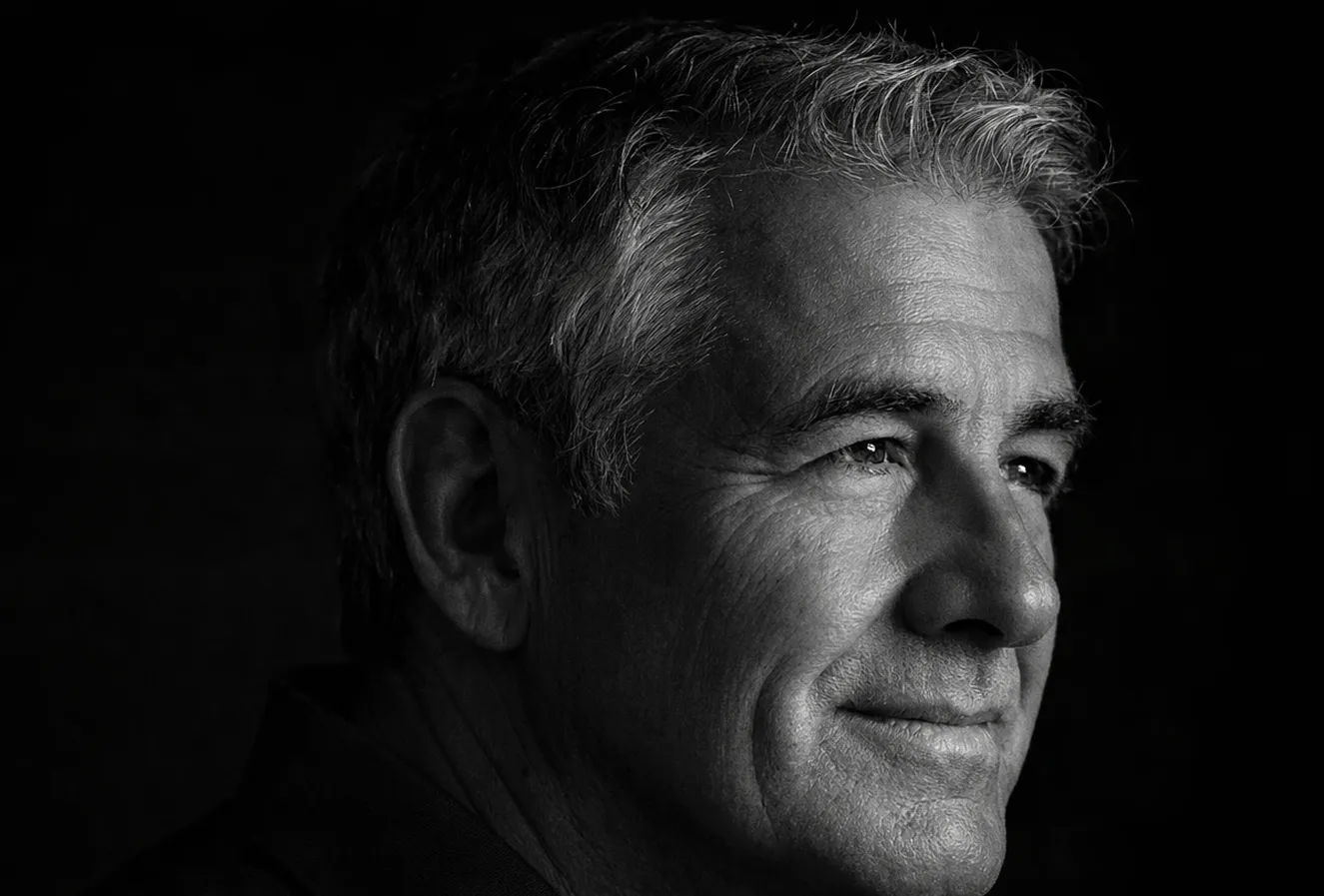
Now retired and speaking from his Portland home — walls lined with surf art and memorabilia, an upcoming family vacation to Fiji’s Tavarua Island on the calendar — Mike Barrett talks about Unosquare the way a parent talks about a child who’s grown up and moved out. Proud. A little wistful. And genuinely amazed at who they’ve become without him.
Barrett is the co-founder of Unosquare, a software engineering company now under second-generation ownership. His son Joel Barrett is chief commercial officer. Giancarlo Di Vece — younger brother of co-founder Mario Di Vece — is CEO. The handoff has produced something rare: a founder-led company that transitioned to the next generation without lawsuits, resentment, or the slow erosion that typically follows.
“It’s unique and it’s rare that a company that’s founder-led, after 15 years, transitions to a second generation of leadership successfully. And where everyone still loves each other and gets along.”
To understand how that happened, you have to go back to the beginning — back to the moment when “founder” wasn’t a title.
Fired, Broke, and Out of Options
Rewind to 2009. Barrett was 45 years old, working in the outsourcing and nearshoring space, and had recognized irreconcilable differences with his employer’s leadership. He gave a three-month notice. He was fired on the spot.
He had no savings. No retirement fund. He was about $30,000 in debt and trying to pay a mortgage while supporting four kids — in one of the worst job markets of the 21st century.
“I was very scared. And the only thing I knew how to do was this whole outsourcing nearshoring thing.”
Barrett wasn’t an engineer. He’d never written a line of code. What he had was a network, a feel for what executives needed, and the ability to earn trust through a strong ethical compass and a genuine desire to serve the customer.
A Phone Call That Changed Everything
During his time in the industry, Barrett had grown close to Mario Di Vece — a project manager in Mexico, 20 years his junior. He called Mario not to pitch anything. He called just to tell him he was leaving. What Mario said next surprised him.
“He said, ‘Well, I’m leaving also, and I’m going to start a company. I’m going to do software engineering from Mexico.’ And he goes, ‘What are you going to do, Mike?’ And I said, ‘I’m going to sell software engineering from Latin America.’ So we decided to do it together over a phone call.”
Barrett borrowed $30,000 from his mother to clear his personal debt. Then he put $5,000 into the company to get it off the ground.
“I just became an animal. A selling, marketing and sales animal.”
Keeping the Lights On
Unosquare’s first wins didn’t come from a brand or a marketing machine. They came from relationships — people who trusted Barrett enough to give him a shot.
The first client was MedAssets, a publicly traded healthcare company, contracted to hire three software testers. The deal was signed, but Barrett had no laptops, no desks, and no cash. So he called the CTO with an unusual request: pay upon receipt of invoice.
The answer was no. MedAssets was a $400 million company. Net 60 was standard. Barrett pushed harder.
“I said, ‘Randy, I really need you to do me a solid here, because if you don’t, we’re not gonna make it. We’re gonna actually go out of business.’”
The CTO called the CFO. MedAssets agreed — for six months only. But leadership changed, then changed again, and nobody noticed the arrangement was still running. By the time the team had grown to 25 people, MedAssets’ fast payments had quietly funded the company’s survival.
The early years were still brutal. The company Barrett and Mario had left sued them. They settled. The former employer then sued some of Unosquare’s earliest clients. “It was a horrifying time,” Barrett said. “A brutal, scary time.”
An industry veteran offered some perspective in the middle of it. He told Barrett that once the company hit 40 employees, the pressure would seem to melt away. “He told me, ‘Mike, when you get to 40 people, you’re going to feel like you died and went to heaven.’” They hit 40 around year two or three. Sure enough — he was right.
The Culture That Scaled
Unosquare grew by getting specific. Barrett focused on healthcare, financial services, and tech — verticals where clients paid for competence and speed, not just cost. The pitch was never “cheaper.” It was “faster deployment with the right people.” The company invested in thought leadership, placing its executives as known experts within those industries.
Inside the company, they built one simple hiring filter: SHHH — Smart, Hungry, Humble, Hardworking.
“If those employees were smart, hungry, humble and hardworking, they were very successful in Unosquare. And if they were missing one or more of those four things, they were not successful, and they did not last.”
Behind the four letters was a more immediate policy: hire slow, fire fast.
The other core ethic was what Barrett calls “serving through selling” — telling customers the truth, even when it meant not taking the deal. Sometimes that meant referring a prospect to a competitor. Sometimes it meant telling them to hire internally. It was a long game. It built the kind of trust that’s hard to replicate — and customers who stayed.
At exit, Unosquare had retained 98% of its customers over the company’s entire journey, expanded work with most of them, and grown to 1,200 full-time employees across seven countries.
Succession: The Hardest Part
Succession is where most founder-led companies break. Barrett doesn’t sugarcoat why.
“There’s a pride… on the side of the founders who are not willing to let go of the reins when they should. Personally, I did deal with that. I struggled with it. It becomes part of your identity. The name Mike Barrett is forever connected to the name Unosquare. And it’s hard to give that up. Transitioning to the next generation is full of landmines.”
Unosquare avoided them for two reasons: strong advisors, and a bench built on earned credibility — not entitlement. The current leadership wasn’t given anything. In fact, they were deliberately treated less favorably than other employees early on.
Earning It, Not Inheriting It
Joel Barrett joined the company at his father’s request — despite not feeling a pull toward the industry and having focused on becoming a school teacher. His first salary was minimum wage.
“It felt like a deviation from my path. It took a couple of years to really feel like I had found my own purpose in the tech world, but at this point with 12-plus years in, it’s been such a blessing for me to have built these relationships spanning both industries and continents.” — Joel Barrett
Giancarlo Di Vece joined Unosquare 12 years ago as a salesperson. No salary — just commission.
“We refused to pay him a salary because we didn’t want to be accused of nepotism.”
It mirrored what Mike and Mario had gone through as co-founders during the startup stage — it took about six years before either of them drew a salary that reflected the work they were actually doing.
Giancarlo shadowed Barrett on sales calls for years, learning the bicultural, binational work required to operate between Latin America and U.S. boardrooms. Barrett describes him as both intellectually and emotionally gifted.
“I believe he’s a way better CEO than I could have ever been. I spent years and years teaching him, and now he’s taking it to a level that I personally could never have taken it to.”
Joel stayed and grew. Nearly 11 years later, Mike says his son is the company’s number two and possesses “a work ethic far beyond my own.” At first, the two talked about business constantly. Those conversations faded after about a year — and now, instead of operational detail, they occasionally discuss higher-level business topics. Mike says his identity has become easier to let go.
Joel said his father instilled rules in him as a child, and also in Unosquare as a founder. Lessons like “investing in the middle class in whatever city we’re working in” became part of the company’s culture. At this point, Joel is passing those same lessons to his own children — aged 9 and 6 — while leading a team of 20 across the U.S. and Mexico.
Onward and Upward
Giancarlo became CEO in 2019. All signs point toward continued success for a company that has spent 17 years growing on solid business practices. To those who have written about the dangers of second-generation power transfer, Unosquare is defying the odds — but then again, defying the odds has never been all that uncommon inside the walls of this Portland-based business.
“Onward and upward, as we like to say.” — Joel Barrett